

Flooding in Myrtle Beach, South Carolina can change everything in a matter of hours. A coastal storm pushes water inland. Heavy rain overwhelms drainage systems in Horry County. A pipe bursts in a vacation rental in North Myrtle Beach. A sprinkler line fails in a hotel along Ocean Boulevard.
When water enters your home or commercial property, the next steps determine how much can be restored and how quickly you recover. Water damage restoration in Myrtle Beach requires speed, technical skill, and a clear understanding of coastal construction and humidity challenges.
Here is what to expect after flooding in Myrtle Beach and how Rytech Restoration of Myrtle Beach guides homeowners, business owners, property managers, and insurance professionals through each stage of recovery.
Immediate Safety Steps After Flooding in Horry County
Standing water creates immediate hazards. Electricity, gas lines, and saturated materials can turn a stressful situation into a dangerous one.
If it is safe, shut off electricity to affected areas. Turn off gas if water reached appliances. Avoid entering rooms where ceilings sag or flooring feels unstable. Saltwater intrusion in oceanfront communities like Surfside Beach or Garden City can accelerate material deterioration and increase corrosion risks.
Personal protective equipment such as rubber boots, gloves, and masks reduces exposure to contaminants until certified professionals arrive. Limiting traffic through wet areas prevents further damage and keeps occupants safer.
Professional Water Damage Assessment in Myrtle Beach Properties
When our team arrives, we follow the ANSI/IICRC S500 Standard for Professional Water Damage Restoration . This standard outlines how certified technicians inspect, measure, and document water damage.
Visible water tells only part of the story. Moisture often migrates behind drywall, beneath tile flooring, and into insulation. We use moisture meters to measure saturation levels and infrared cameras to detect hidden moisture patterns inside walls and ceilings.
A raised beach house in Cherry Grove Beach behaves differently than a slab-on-grade home in Conway. Commercial properties in Murrells Inlet or Little River may include complex HVAC systems that require careful evaluation. A thorough assessment produces a targeted drying plan and reduces unnecessary demolition.
Understanding Water Categories and Contamination Levels
Not all water carries the same risk. The ANSI/IICRC S500 defines three water categories , and identifying the category shapes the restoration strategy.
Clean water may come from broken supply lines or rain intrusion. Gray water often originates from appliances and contains moderate contaminants. Black water includes sewage backups or floodwater from outdoor sources, especially after storms affecting coastal areas of Horry County.
Time changes the condition of water. Clean water left untreated will deteriorate into a more contaminated category. Rapid mitigation prevents that progression and limits structural impact.
Contacting 24/7 Emergency Water Damage Restoration in Myrtle Beach
Flooding rarely happens at convenient times. Vacation properties in Ocean Drive Beach or year-round residences in Aynor and Loris can experience losses overnight.
Rytech Restoration of Myrtle Beach provides 24/7/365 emergency response because fast action reduces drying time and protects structural materials. During your first call, our team gathers details about the source of water, timeline, and safety concerns. Certified technicians arrive with commercial extraction equipment and advanced drying systems.
If you are searching for reliable <a href="https://myrtle-beach.rytechinc.com/" title="Water Damage Restoration Myrtle Beach SC">water damage restoration in Myrtle Beach</a>, our team combines local expertise with national resources built over more than 30 years in the restoration industry .
Water Extraction and Structural Drying Science
Removing standing water quickly limits absorption into framing, subfloors, and wall assemblies. Commercial-grade pumps and extraction units eliminate bulk water.
Drying requires controlled airflow and humidity reduction. The ANSI/IICRC S500 describes psychrometric principles that govern evaporation and moisture removal . Air movers create directional airflow across wet surfaces. Dehumidifiers pull moisture from the air, accelerating drying of structural materials.
Myrtle Beach’s coastal humidity slows natural evaporation. Controlled mechanical drying will return materials to appropriate moisture levels faster and reduce the risk of secondary microbial growth.
Daily monitoring confirms measurable progress. Adjustments are made based on real-time moisture readings.
Mold Prevention and Professional Remediation
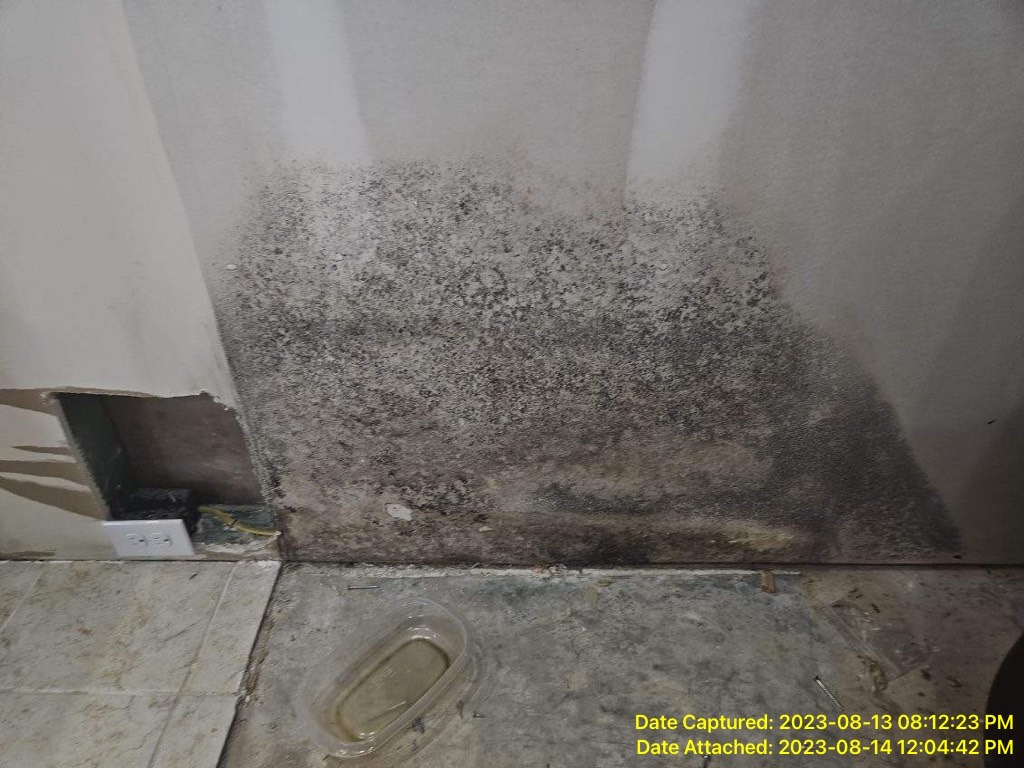
Coastal South Carolina provides ideal conditions for mold growth after flooding. Warm temperatures and humidity allow spores to colonize damp materials quickly.
The ANSI/IICRC S520 Standard for Professional Mold Remediation establishes containment, removal, and cleaning procedures designed to protect occupants and workers. Our approach begins with moisture control. Without moisture, mold growth cannot continue.
When contamination is identified, we establish containment barriers, use HEPA filtration, and remove affected porous materials beyond restoration. Structural components are carefully cleaned to reduce mold spore levels to normal indoor conditions.
“Homes along the Grand Strand often include elevated foundations, wood framing, and moisture-sensitive materials. After years serving Horry County, we know how quickly water travels in these assemblies. Rapid extraction and professional drying will protect framing and interior finishes before small problems turn into major losses.”
Brian Larmon, Owner, Rytech Restoration of Myrtle Beach
Structural Damage Inspection and Salvage Decisions
Water weakens materials over time. Engineered wood flooring can swell. Drywall may lose structural integrity. Ceiling systems in commercial buildings along Highway 17 may trap moisture above drop tiles.
We inspect subfloors, framing, ceilings, and foundations using moisture meters and infrared technology. Data guides every decision. Salvageable materials are dried and preserved. Materials beyond structural stability are removed carefully and documented.
Preserving materials whenever possible aligns with industry standards and reduces unnecessary waste.
Salvaging Personal and Commercial Contents
Flooding impacts more than the structure. Furniture, electronics, retail inventory, and personal items may be affected.
We sort contents into restorable and non-restorable categories. Cleanable items are disinfected and dried using industry-approved procedures. Specialty drying methods are used for documents and electronics when feasible. For commercial clients in Florence, Georgetown, and Marion counties, packout services help maintain operational continuity.
Restoring contents protects both financial investments and personal memories.
Insurance Documentation and Clear Communication
Many property owners navigate the insurance process only after a loss occurs. Clear documentation simplifies communication between all parties.
The ANSI/IICRC S500 outlines administrative procedures for recording moisture readings, photographic evidence, and scope details . Rytech’s national experience and strong insurance relationships support accurate and organized reporting.
Insurance adjusters, agents, and referral partners rely on detailed documentation to evaluate claims efficiently. Our role is to provide precise information that supports informed decisions.
Cleaning and Sanitizing After Flooding
After drying is complete, professional cleaning begins. Surfaces exposed to contaminated water are treated with EPA-approved disinfectants according to manufacturer guidelines.
Porous materials that cannot be restored are removed. Remaining structural components are cleaned thoroughly to reduce bacteria, contaminants, and odors. This process prepares the property for safe re-occupancy.
For hotels, restaurants, and commercial facilities in Myrtle Beach and surrounding counties, sanitation supports safe reopening.
Repair and Reconstruction Coordination
Once mitigation and cleaning are complete, the property transitions into the rebuilding phase. Utilities and insulation are prioritized to restore functionality.
While Rytech specializes in restoration and mitigation, we coordinate closely with licensed contractors to support full structural recovery when needed. Clear planning ensures continuity from drying to final rebuild.
Timelines vary depending on scope and material availability, but organized coordination reduces delays.
Preventing Future Flooding in Coastal South Carolina
After restoration, many property owners look ahead. Installing sump pumps in vulnerable areas, elevating HVAC systems in raised homes, and improving drainage near foundations will reduce repeat incidents.
Landscaping adjustments that direct water away from structures provide long-term protection. Routine inspection of plumbing systems and roof assemblies also reduces unexpected losses.
Proactive measures protect property value along the Grand Strand.
Understanding Cost Factors and Budget Planning
Restoration costs depend on measurable variables. A small appliance leak in Nichols differs significantly from widespread storm flooding in North Myrtle Beach.
Affected square footage, contamination category, and duration of exposure influence overall cost. Professional estimates outline scope clearly and align with industry pricing standards. Transparent communication supports informed decisions for homeowners and commercial property managers.
Timeline Expectations for Water Damage Restoration
Most projects move through defined phases: emergency response, mitigation, drying, cleaning, and coordination for reconstruction. Drying often takes several days, depending on materials and environmental conditions.
Larger commercial properties or prolonged exposure may extend the timeline. Consistent communication keeps all stakeholders informed throughout the process.
Measured progress creates predictable results.
Choosing a Certified Water Damage Restoration Company in Myrtle Beach

Certification matters. IICRC-certified technicians follow recognized standards for water damage restoration and mold remediation . Experience with coastal construction in Horry County adds practical expertise.
Rytech Restoration of Myrtle Beach combines rapid response, advanced technology, centralized administrative support, and decades of industry leadership . We focus on restoring materials whenever possible and documenting every phase carefully.
When flooding impacts your property in Myrtle Beach, Conway, Murrells Inlet, or surrounding communities, decisive action will protect your investment and accelerate recovery.
FAQs: Answering Your Pressing Water Damage Restoration Questions
At Rytech Myrtle Beach, we know that dealing with water damage can be overwhelming. To support you during this challenging time, we've created a list of FAQs. Here, you'll find comprehensive information about our services, the restoration process, and what to expect when you choose to work with us.


