
Understanding Water Damage in Myrtle Beach and Horry County
Water damage in Myrtle Beach often comes with little warning. A sudden coastal storm can push water into homes near Surfside Beach, while a slow plumbing leak in Conway may go unnoticed until flooring begins to change shape. Across Horry County, the mix of humidity, coastal weather, and varied construction styles creates unique challenges for property owners.
At Rytech Restoration of Myrtle Beach, we work closely with homeowners, commercial businesses, and property managers navigating these situations. This guide walks you through how water damage develops, what to look for, and how to respond with confidence in a coastal environment like South Carolina.
What Causes Water Damage Along the Grand Strand
Water damage in Myrtle Beach is often tied to both weather and everyday systems inside a property. Heavy rainfall and tropical systems can overwhelm drainage in areas like Murrells Inlet or North Myrtle Beach. At the same time, a burst pipe or appliance failure inside a home in Little River can release large volumes of water quickly.
Roof leaks are another common issue, especially after high winds move through coastal communities. Foundation cracks and crawlspace moisture also play a role, particularly in older homes throughout Horry County. Each cause brings a different level of impact, and understanding the source helps guide the next steps.
Understanding Water Damage Categories
Water damage is grouped into three categories based on contamination. Clean water comes from sources like supply lines. Gray water includes discharge from appliances. Black water involves sewage or floodwater and introduces higher levels of contaminants.
Water conditions change over time. According to ANSI/IICRC S500 standards, clean water will degrade as it interacts with materials and environmental conditions, increasing the level of contamination and risk. Acting early keeps the situation more controlled and easier to manage.
Signs of Water Damage in Coastal Properties
Living near the coast means moisture can hide in places you may not expect. In Myrtle Beach homes, you might notice stains forming on ceilings after a storm passes offshore. In commercial buildings in Garden City or Conway, flooring may begin to feel uneven or soft.
Musty odors often point to trapped moisture, especially in humid environments like Horry County. You may also see bubbling paint, warped materials, or small areas of discoloration. These signals provide early insight into what is happening behind the scenes.
What to Do When Water Damage Happens
When water damage occurs, the first actions shape how the situation unfolds. Stopping the source limits further spread. Moving contents away from affected areas helps reduce impact.
Capturing photos creates a clear timeline for the insurance process. From there, a professional evaluation helps identify both visible and hidden moisture. That step ensures nothing is missed and sets the stage for a structured response.
Why Timing Matters in Myrtle Beach
Coastal humidity accelerates how water behaves inside a structure. Moisture spreads quickly into materials like drywall, wood, and insulation. Within a short period, conditions can support microbial growth.
A fast response limits how far water travels and helps preserve more of the structure. Acting within the first 24 to 48 hours leads to a more controlled restoration process and better overall results.
How Water Extraction and Drying Work
Removing standing water is only part of the process. Moisture often remains hidden inside materials, requiring a detailed drying strategy.
Professional extraction removes visible water, while air movers and dehumidifiers target deeper moisture. Monitoring equipment tracks moisture levels and confirms when materials reach acceptable conditions. This approach follows IICRC standards, ensuring consistency and accuracy throughout the process.
Mold Prevention in a Humid Coastal Climate
Myrtle Beach’s environment naturally supports moisture retention. When materials stay damp, mold growth becomes more likely.
You may notice a musty smell or small spots forming on surfaces. These signs indicate elevated moisture levels that need attention. Proper containment and removal focus on reducing mold spores in the indoor environment while restoring safe conditions.
Equipment That Drives Results
Restoration relies on specialized tools designed for efficiency and precision. High-capacity extractors remove water quickly. Dehumidifiers and air movers create controlled drying conditions.
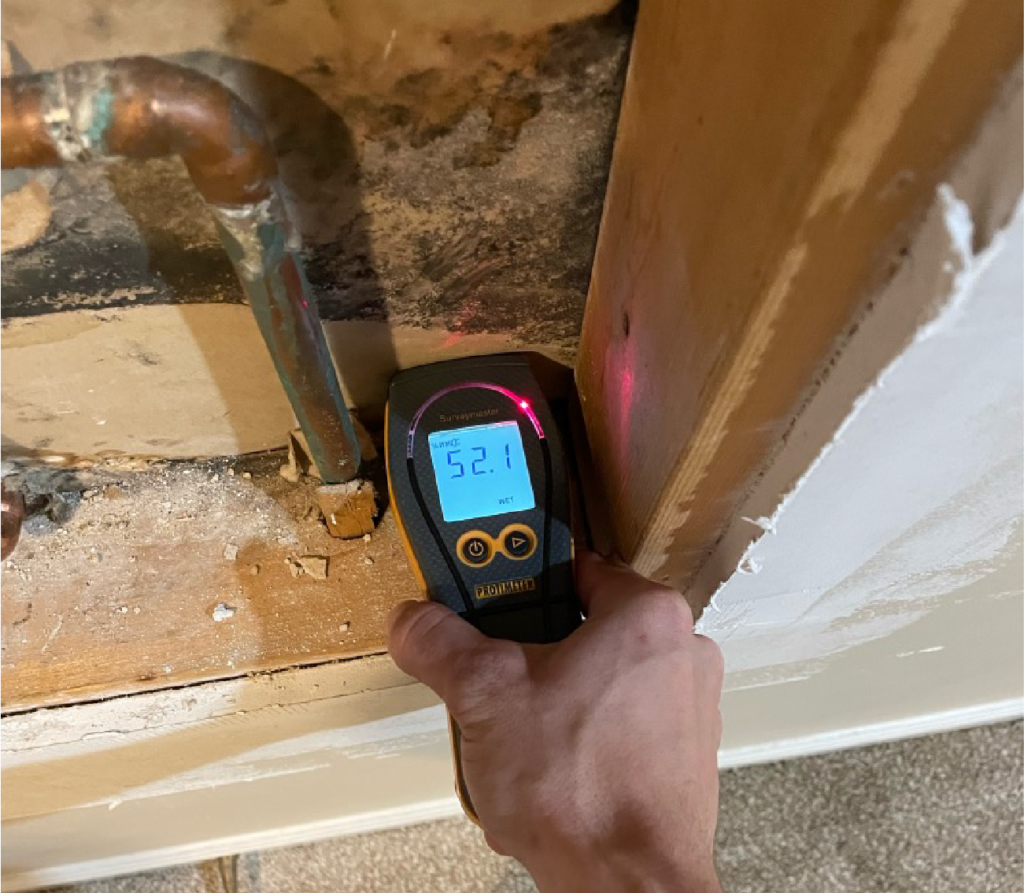
Moisture meters and thermal imaging detect hidden water. Air scrubbers help manage airborne particles during the process. Together, these tools create a system that delivers measurable results.
Health and Safety Considerations
Water damage introduces conditions that can affect indoor environments. Exposure to contaminated water or prolonged moisture can impact both people and property.
Professionals use protective equipment and follow safety protocols to manage these risks. Controlled work areas help prevent cross-contamination and maintain a safe environment throughout the project.
Navigating the Insurance Process in South Carolina
Many property owners in Myrtle Beach are unsure what to expect when filing a water damage claim. Clear documentation provides direction. Photos, notes, and timelines create a detailed record of the event.
Working alongside experienced professionals helps streamline communication with insurance agents and adjusters. That collaboration keeps the process organized and focused.
What Affects Water Damage Restoration Costs
Every water damage situation is unique. A small leak in a residential property in Loris differs from a large commercial loss in Myrtle Beach’s tourism areas.
The size of the affected space, the type of water involved, and how long materials remained wet all influence the process. Mold presence and accessibility also shape the overall scope.
DIY vs Professional Restoration
Handling water damage on your own may seem manageable at first. The challenge comes from moisture that cannot be seen.
Water often settles behind walls or beneath flooring. Without the right equipment, that moisture remains and continues to affect the structure. Professional restoration focuses on complete moisture removal and verified results.
Preventing Future Water Damage Along the Coast
Prevention begins with understanding how water interacts with your property. Regular inspections of roofing, gutters, and plumbing systems reduce risk. In coastal areas like Surfside Beach, directing water away from the foundation plays a key role.
Installing leak detection systems and maintaining appliances helps catch issues early. These steps reduce the likelihood of unexpected water damage.
What the Restoration Timeline Looks Like
Water damage restoration follows a structured timeline. Initial actions focus on removing water and assessing conditions. Over the next few days, drying and monitoring take place.
As materials stabilize, cleaning and sanitation follow. Each phase builds toward restoring the property to a safe and stable condition.
Following Industry Standards in Restoration
Restoration professionals follow ANSI/IICRC S500 guidelines, which define how water damage projects are evaluated and managed. These standards ensure a consistent approach based on science and industry best practices.
Local Insight from Rytech Restoration of Myrtle Beach
Brian Larmon, owner of Rytech Restoration of Myrtle Beach, brings a deep understanding of how coastal conditions impact properties.
“In Myrtle Beach and across Horry County, we see how salt air, humidity, and storms affect building materials every day. From beachfront properties to inland homes in Conway, each structure reacts differently to water. Our team uses that local knowledge to guide property owners through the process with clarity and confidence.”
Brian Larmon, Owner, Rytech Restoration of Myrtle Beach
That local experience shapes how each project is approached, ensuring that environmental factors are always considered.
Working with a Team That Understands Myrtle Beach

Water damage can feel overwhelming, especially in a coastal environment where conditions change quickly. Having the right information helps you make clear decisions and move forward with confidence.
If you are searching for guidance on water damage restoration services in Myrtle Beach, Rytech Restoration of Myrtle Beach provides insight backed by experience across Horry County and surrounding communities.
FAQs: Answering Your Pressing Water Damage Restoration Questions
At Rytech Myrtle Beach, we know that dealing with water damage can be overwhelming. To support you during this challenging time, we've created a list of FAQs. Here, you'll find comprehensive information about our services, the restoration process, and what to expect when you choose to work with us.


